
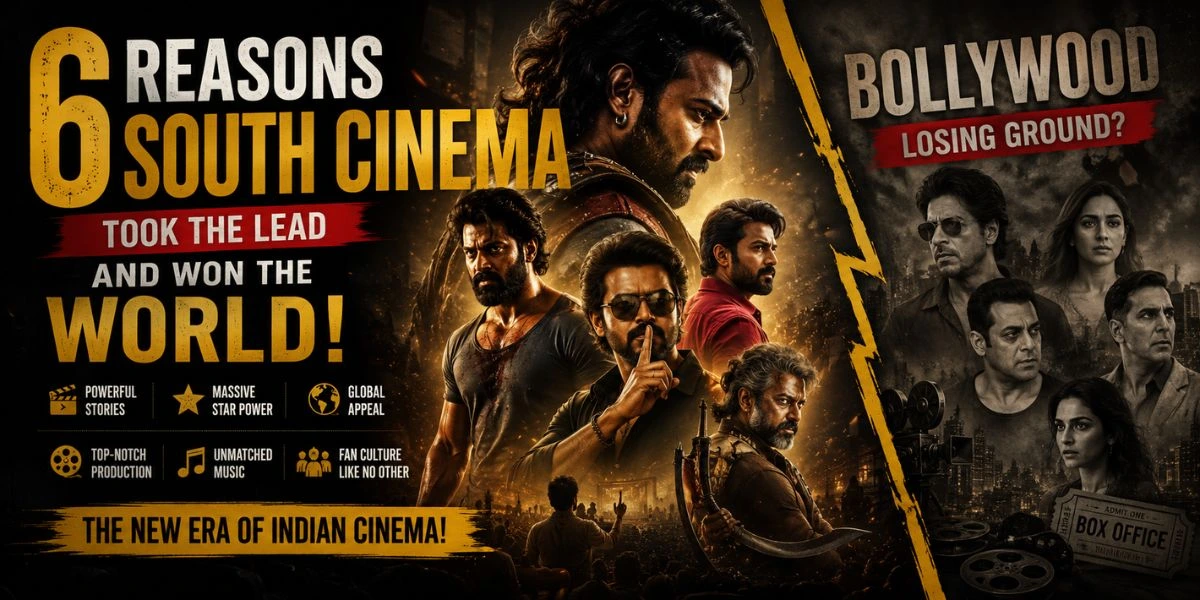
Director, writer, and filmmaker Anurag Kashyap, who has made many memorable and great movies for Bollywood, recently expressed his desire to leave and work in South cinema. His decision surprised not only the industry but also the fans. However, given the current success of the South industry and its influence on Indian cinema, this decision does not seem very unexpected.
In the last few years, South cinema has given blockbusters like “Baahubali,” “RRR,” “Pushpa,” and “KGF”, which were appreciated not only in India but across the world. Anurag’s move has once again fuelled the debate on why South cinema has overtaken Bollywood. Let’s take a look at the 6 major reasons that explain this change:
Table of Contents
Here are 6 reasons why South cinema has overtaken Bollywood
1. Unique and powerful stories
The biggest strength of South cinema is its stories. The movies there can keep the audience engaged from beginning to end. Whether the budget is big or small, the content always brings a new experience to the audience.
Movies like “Baahubali,” “KGF,” “Pushpa,” and “RRR” won the hearts of the pan-world audience on the strength of the story.
On the other hand, Bollywood often seems to repeat the same formula, which has bored the audience.
2. Creative freedom and the courage to take risks
South filmmakers are not afraid to take risks with creative freedom. They embrace new ideas and stories, whether the movie’s small or big budget.
Creativity has been limited in Bollywood due to commercial pressure and safe bets.
For example, South movies feature local and new stories, while Bollywood often shows the same old stories or remakes of South movies.
3. The magic of culture and locality
South Indian movies are deeply connected to their cultural roots.
Movies like “Kantara,” “Pushpa,” and “Baahubali” gave regional culture international recognition.
In contrast, Bollywood lacks locality in its pursuit of global appeal, which is why audiences are unable to connect with these stories.
4. Cinematic vision and direction are amazing
South filmmakers emphasise cinematic vision and technical excellence.
Directors of movies like “Baahubali,” “RRR,” and “KGF” make movies with a big vision, which gives the audience a grand experience.
In Bollywood, commercial appeal is given more importance than cinematic vision.
5. Dependence on remakes vs original content
Bollywood’s remake culture raises questions about its creativity.
Most of the movies in the South industry are based on original stories, while Bollywood is dominated by remakes of South Indian and Hollywood.
The Bollywood remake “Sarfira,” released in 2023, was a flop, while original South movies are achieving global success.
6. The era of OTT and global appeal
OTT platforms have given the audience countless options. South movies, based on local-global connections, are performing well there, too.
On the other hand, Bollywood content is also performing average on OTT.
South is now making movies with not just pan-India but pan-world appeal.
Can Bollywood regain its shine?
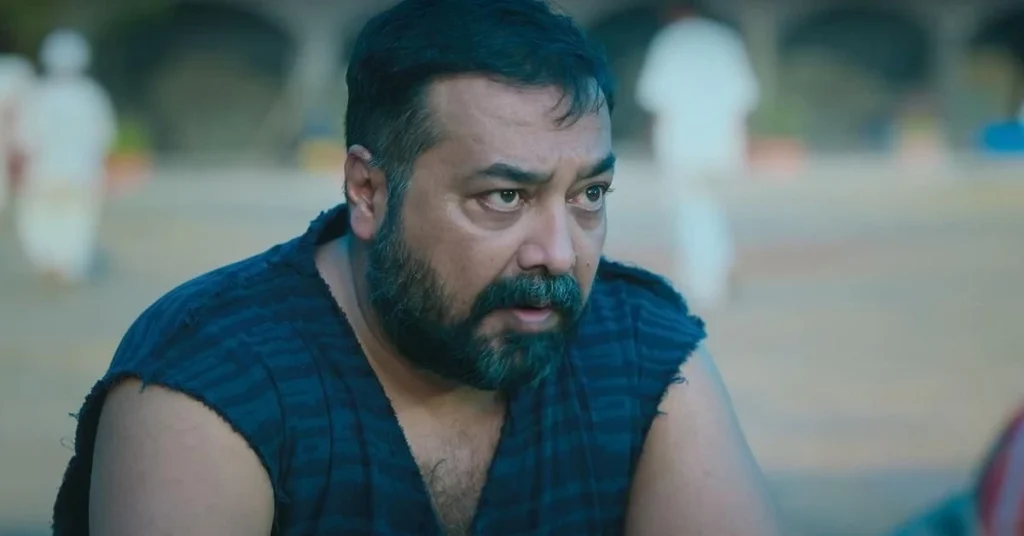
The move of stalwarts like Anurag Kashyap to South cinema indicates that Bollywood has to change its creativity and way of storytelling.
The audience now has options like OTT and South cinema, and they prefer quality and innovation.
There was a time when Bollywood reigned supreme in the hearts of millions of viewers, not just in India but across the globe. Its compelling storylines, memorable music, and charismatic stars used to draw audiences to cinema halls. However, audience preferences have shifted rapidly in recent years. The rising influence of South cinema, the expansion of OTT platforms, and the growing demand for content-driven cinema have posed a formidable challenge to Bollywood. Amidst this, the biggest question remains: can Bollywood reclaim its lost glory?
The answer to this question depends entirely on the decisions Bollywood makes in the near future. A comeback is not impossible if filmmakers focus on compelling stories, fresh ideas, and an understanding of the audience’s evolving preferences. The history of Indian cinema bears witness to the fact that Bollywood has weathered difficult phases before and has always bounced back stronger than ever. What is needed now is a willingness to take risks, provide opportunities to talented new artists, and produce films that win over audiences through strong content rather than relying solely on star power.
Also Read | Diljit Dosanjh’s ‘Satluj’ set for re-release on OTT!

I am Ankit Mishra from Sitapur, Uttar Pradesh, the founder and content writer of this website. I primarily work in the entertainment and sports niche, where I publish detailed and original content related to Bollywood, Hollywood, Cricket, WWE and Celebrities Wiki. I believe in providing clear, honest information. All content on this platform is written by me with a focus on quality, reliability, and real user needs. I am an SEO Analyst, and I have worked for many agencies in Lucknow. Also, I love to capture photos.